
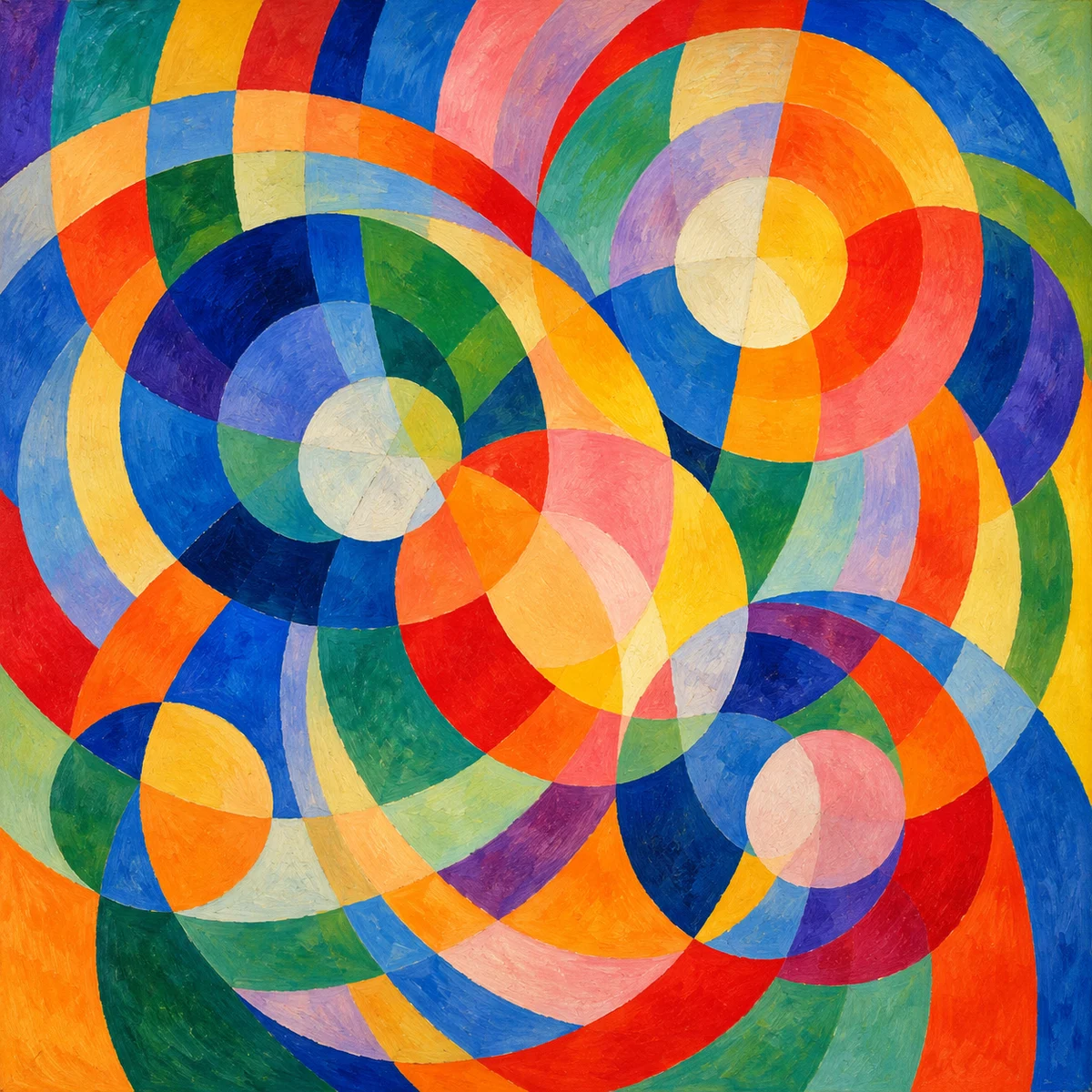
Orphism
Early abstract painting builds luminous rhythms from interlocking chromatic discs, simultaneous colour contrasts, and curved fragments, treating colour like musical movement.
Make
Orphist abstract painting with interlocking chromatic discs, contrasting adjacent colour fields, and rhythmic arcs that suggest musical movement. Build luminosity through colour relationships and visible painted surfaces, without outlines or lettering.
A starting point: add your own subject or details in your image tool.
Copy this visual direction into an image tool; you can pair it with your own subject.
Original interpretation of the movement, not a copy of a named painting. A generated background is not a seamless tile or a print-ready file.
About this aesthetic and its examples
Compare more directions
Explore other approaches for this kind of project.
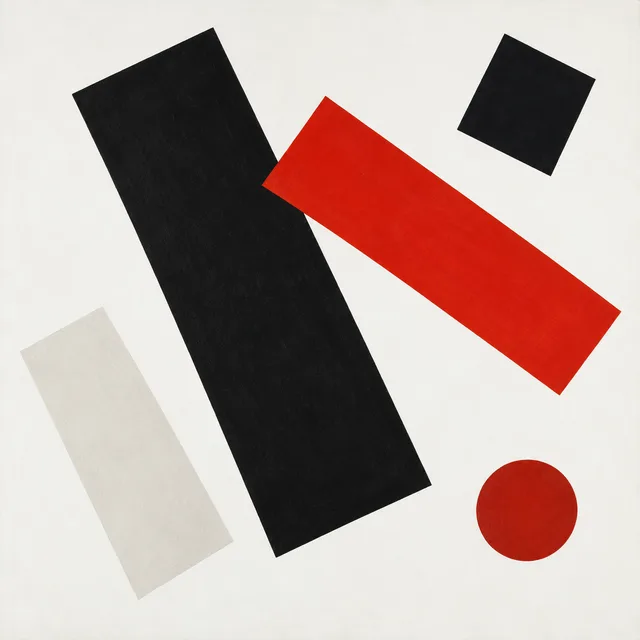
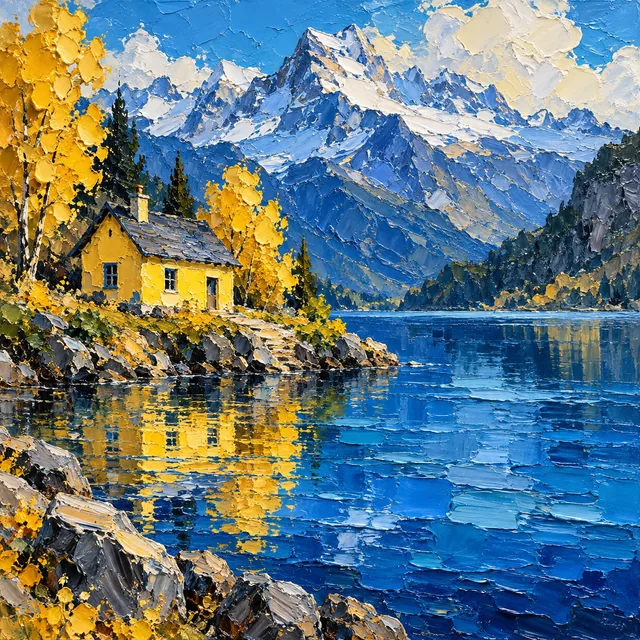
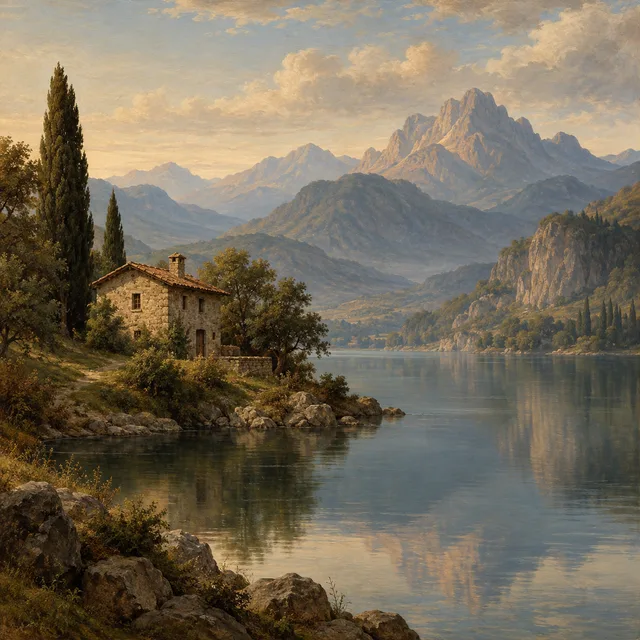
Look closer: traits and nearby styles →
About this example
This image may have used extra directions. The seed above is a reusable starting point and may produce a different result.
- Created with
- image_gen__imagegen
- Model
- Not exposed by tool
- Generated
- 2026-10-16
How to use this promptRead as Markdown
Color creates the rhythm
Interlocking discs and curved fragments make adjacent colors appear to pulse against one another. The composition develops through color relationships and repeated arcs rather than through a recognizable object or an outline drawing.
The original is a compact abstract painting. The mural variation stretches that rhythm across a wall, changing the scale and spatial reading while retaining the same visual language. A mural is an application of the aesthetic, not a new movement.
The vertical cover study introduces a different pause: a quiet cream upper field sits above interlocking color arcs. Compare how that reserve changes the rhythm. It is artwork for exploring a layout; typography, bleed and print production still need separate work.
These are original generated interpretations, not historical Orphist works. When adapting the seed, compare the balance of curved forms, neighboring colors and painted texture rather than simply requesting a colorful circle pattern.
Learn more: MoMA: Orphism
Look closer at Orphism
Early abstract painting builds luminous rhythms from interlocking chromatic discs, simultaneous colour contrasts, and curved fragments, treating colour like musical movement.
In the original generated example: An Orphist abstract painting with interlocking coloured discs, luminous contrasting fields, and rhythmic curved fragments. Notice which details catch your eye before deciding whether the whole style is for you.
Ask yourself: is it the palette, the surface, the shapes, or the subject you like? Save a favorite and use the visual taste guide to find a useful next direction.