
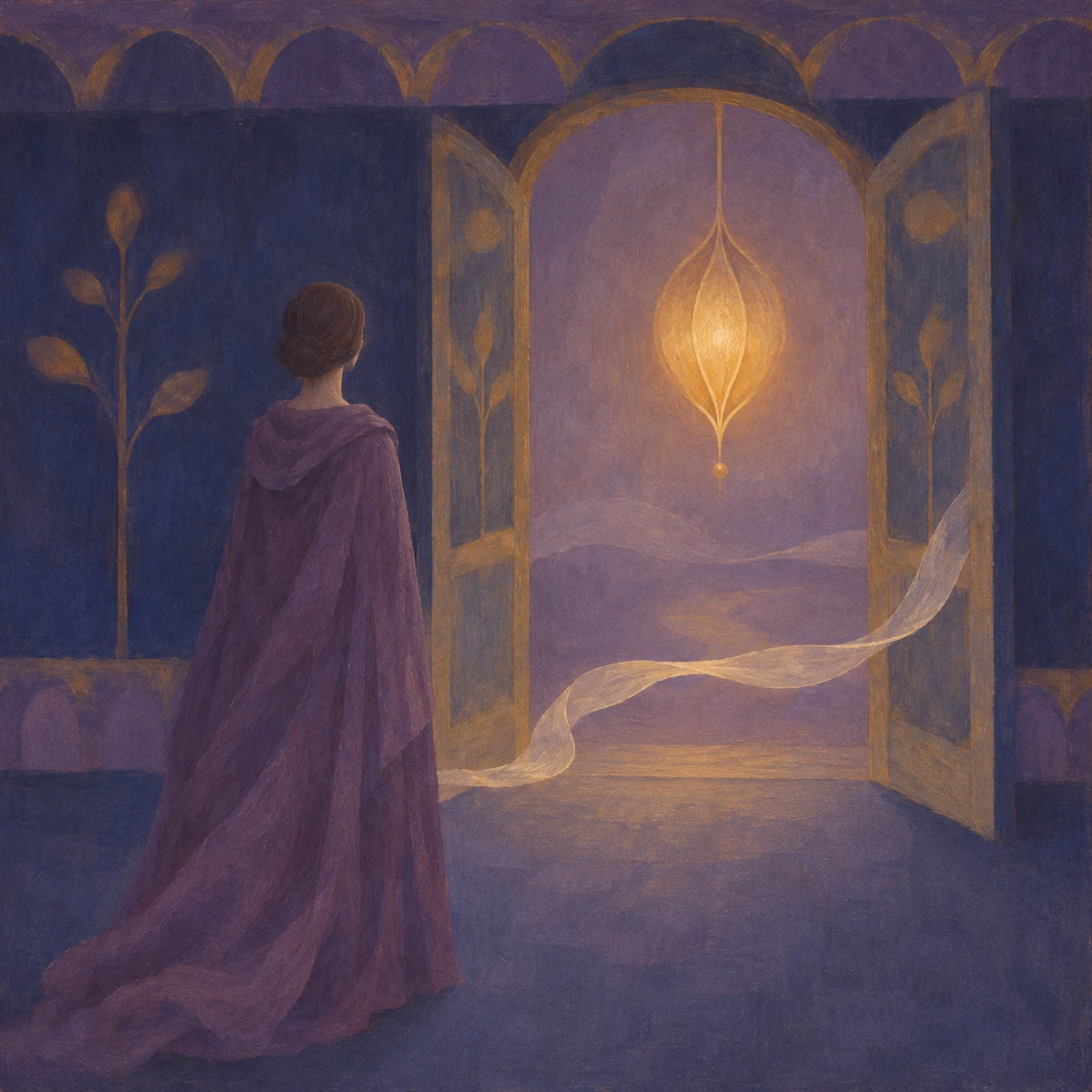
Symbolist painting
An exploration of Symbolism through emotional suggestion, invented emblems, simplified forms and non-naturalistic color rather than literal description.
Make
Symbolist-inspired painting with emotionally suggestive forms, ambiguous emblematic relationships, dreamlike spatial transitions, non-naturalistic color and a matte painted surface.
A starting point: add your own subject or details in your image tool.
Combine the reusable visual seed with your own subject.
Original AI interpretation, not a historical artwork or evidence of specialist technique. Follow the sources for documented examples.
About this aesthetic and its examples
Compare more directions
Explore other approaches for this kind of project.
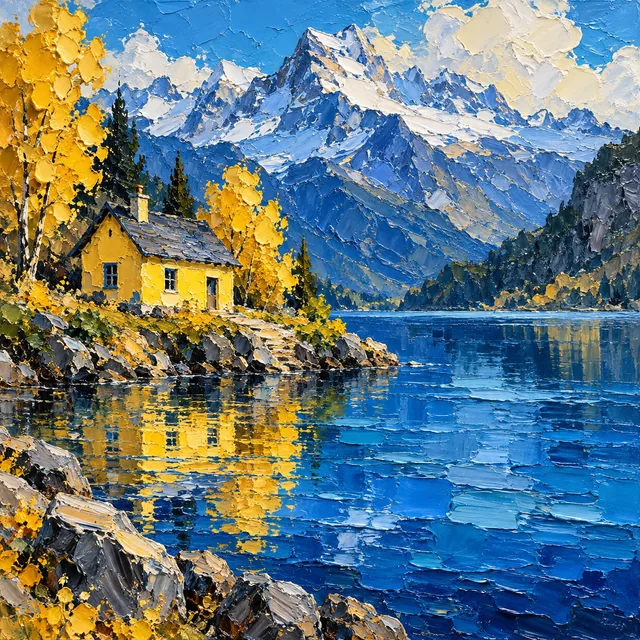
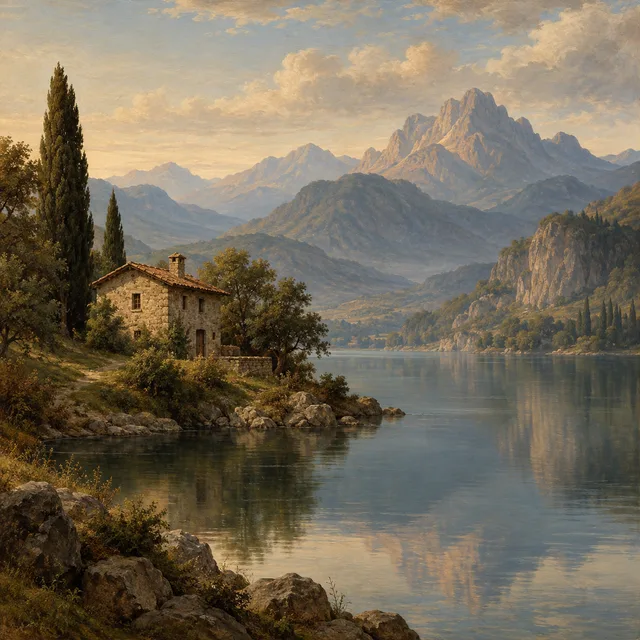
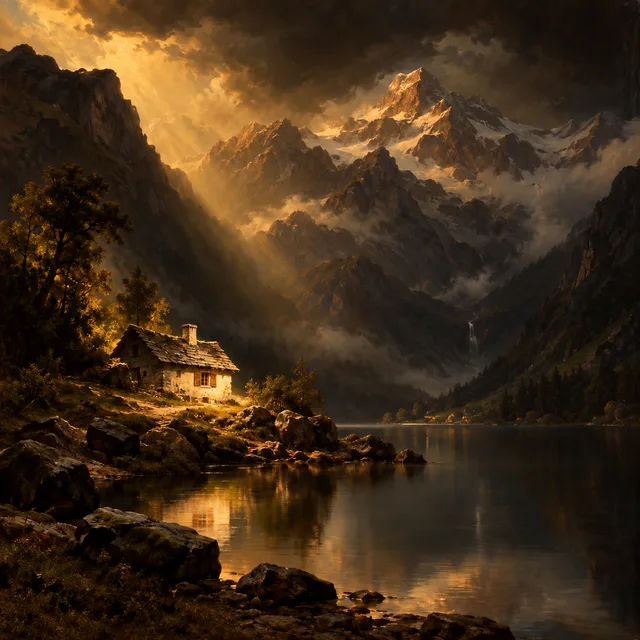
Look closer: traits and nearby styles →
About this example
This image may have used extra directions. The seed above is a reusable starting point and may produce a different result.
- Created with
- image_gen__imagegen
- Model
- Not exposed by tool
- Generated
- 2026-11-08
How to use this promptRead as Markdown
Suggest an idea through relationships
Symbolism brought emotional and subjective ideas into painting through color, line and composition. Its artists used different approaches; the movement does not reduce to one palette, subject or surface treatment.
In this generated interpretation, a figure pauses before a seed-shaped lantern while a pale ribbon crosses a threshold. These are invented emblems of anticipation, not symbols with a fixed historical meaning. Ask what the arrangement suggests before deciding what each object must mean.
To explore your own idea, choose a small set of forms and change their scale, distance or color relationships. Compare Les Nabis for a stronger emphasis on decorative surface and Metaphysical painting for a different treatment of uncanny space. The generated study is not a historical Symbolist work.
Learn more: Metropolitan Museum of Art: Symbolism
Look closer at Symbolist painting
An exploration of Symbolism through emotional suggestion, invented emblems, simplified forms and non-naturalistic color rather than literal description.
In the original generated example: A purple-cloaked figure faces a glowing seed-shaped lantern through an indigo doorway while a pale ribbon crosses the threshold. Notice which details catch your eye before deciding whether the whole style is for you.
Ask yourself: is it the palette, the surface, the shapes, or the subject you like? Save a favorite and use the visual taste guide to find a useful next direction.