
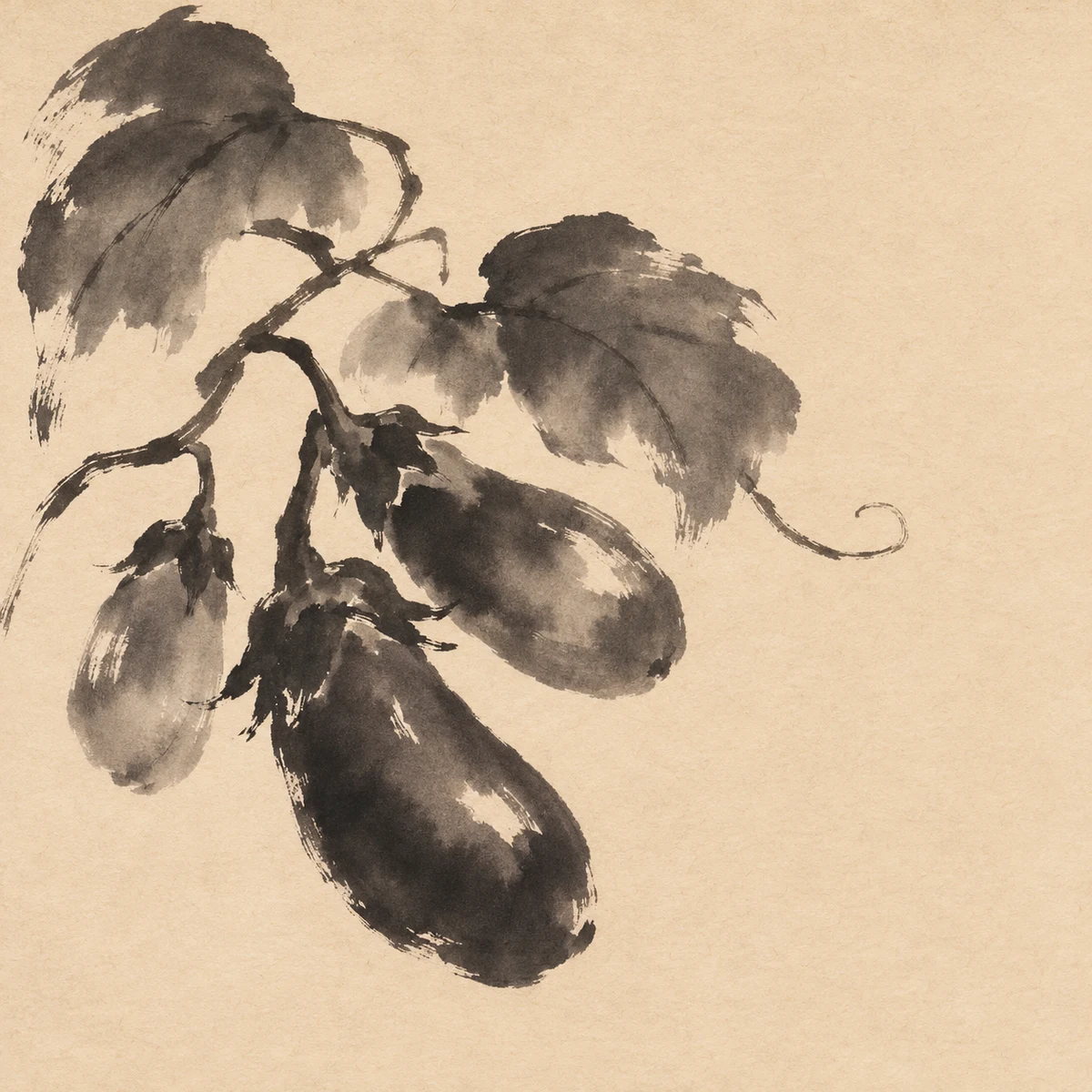
Xieyi ink painting
An expressive freehand approach to Chinese ink painting, explored through abbreviated strokes, varied ink loading and generous areas of untouched paper.
Make
Chinese xieyi-inspired ink painting with abbreviated expressive freehand brushwork, varied ink saturation, pressure-sensitive tapering strokes, broken dry-brush edges and open unpainted intervals.
A starting point: add your own subject or details in your image tool.
Combine the reusable visual seed with your own subject.
Original AI interpretation, not a historical artwork or evidence of specialist technique. Follow the sources for documented examples.
About this aesthetic and its examples
Compare more directions
Explore other approaches for this kind of project.
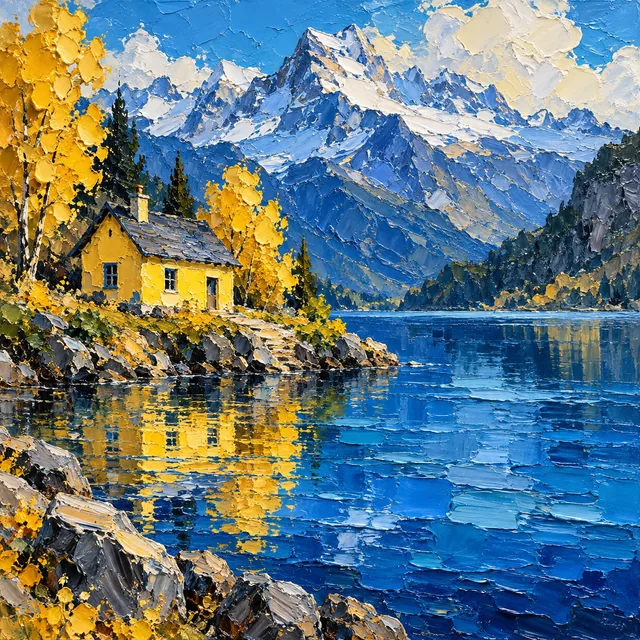
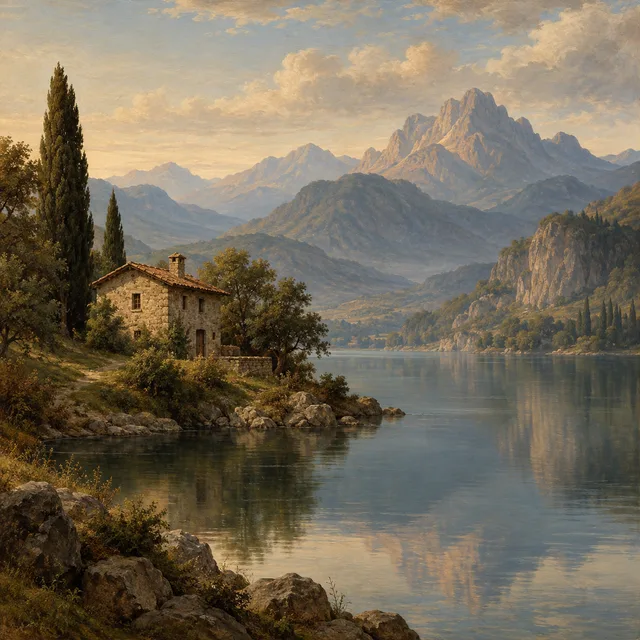

Look closer: traits and nearby styles →
About this example
This image may have used extra directions. The seed above is a reusable starting point and may produce a different result.
- Created with
- image_gen__imagegen
- Model
- Not exposed by tool
- Generated
- 2026-11-08
How to use this promptRead as Markdown
Suggest a form with economical brushwork
Getty identifies xieyi as a Chinese freehand painting technique, usually in ink. This entry explores that brushwork approach: abbreviated marks, changing ink saturation and open paper. It does not treat every loose ink image as an example of expert practice.
Look at how the aubergines emerge from unequal washes, while broad leaves have broken edges and stems taper into finer marks. Change the subject while retaining those decisions. Request fewer descriptive marks, then compare whether the forms still read clearly.
Shanshui names a mountain-and-water landscape genre; xieyi describes an approach to painting. They can intersect, but neither term replaces the other. This generated still life helps separate the brushwork question from the landscape subject. It cannot demonstrate actual stroke order, brush pressure or mastery of a physical technique.
Learn more: Getty Art & Architecture Thesaurus: xieyi
Look closer at Xieyi ink painting
An expressive freehand approach to Chinese ink painting, explored through abbreviated strokes, varied ink loading and generous areas of untouched paper.
In the original generated example: Three aubergines and broad leaves suggested by unequal grey-black ink washes, tapering stems and broken brush edges on warm paper. Notice which details catch your eye before deciding whether the whole style is for you.
Ask yourself: is it the palette, the surface, the shapes, or the subject you like? Save a favorite and use the visual taste guide to find a useful next direction.